
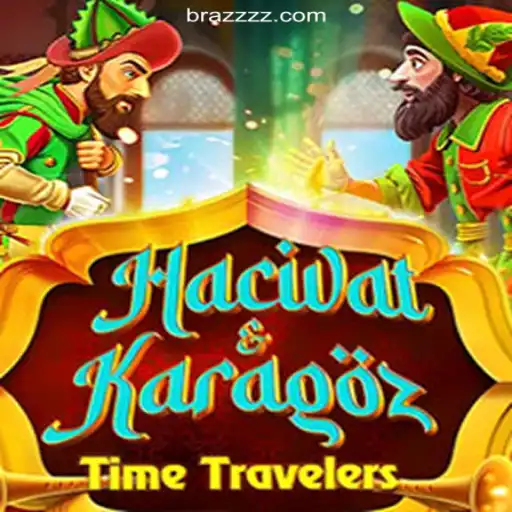
Hacivat and Karagoz: A Timeless Turkish Shadow Play
Delve into the enchanting world of Hacivat and Karagoz, a traditional Turkish shadow play that weaves together comedy, storytelling, and cultural history. This beloved art form, which dates back to the Ottoman Empire, continues to captivate audiences with its engaging performances and unique cultural significance. In this article, we will explore the origins of the game, its enduring appeal, and the rules that govern its performance.
The Origins and History of Hacivat and Karagoz
Hacivat and Karagoz is rooted in the rich cultural tapestry of the Ottoman Empire. The characters, Hacivat and Karagoz, are believed to represent historical figures from the era, offering a window into the past through their comedic interactions. The performances originally served as a form of entertainment for the masses, using humor to address social issues, politics, and everyday life.
The shadow puppetry technique employed in Hacivat and Karagoz involves the use of intricate puppets crafted from camel or cowhide, meticulously cut and painted to create realistic figures. These puppets are manipulated behind a white screen, with light casting their shadows to bring the characters to life. The skills required to perform such a play include dexterity, a deep understanding of the characters, and the ability to effectively convey humor and emotion.
Introduction to the Characters
The central figures in Hacivat and Karagoz are their namesakes—Hacivat, a clever and articulate man, and Karagoz, his quick-witted but somewhat naïve friend. Their contrasting personalities form the crux of the comedic interplay, with Hacivat often playing the straight man to Karagoz's fool. They engage in humorous dialogues and situations that highlight their respective traits, often leading to clever resolutions that entertain and enlighten.
Supporting characters frequently join the duo, each contributing their distinctive quirks and perspectives to the narrative. These characters, often representing different societal roles and ethnicities, add depth and variety to the performances, further illustrating the diverse fabric of Ottoman society.
The Rules and Structure of the Play
The structure of a Hacivat and Karagoz performance is typified by several key stages, each contributing to the overall narrative arc. Typically, a play begins with an introduction, where the audience is acquainted with the characters and the premise of the story. This is followed by the main act, in which the characters embark on a series of humorous and often satirical adventures.
During the performance, the dialogue is key, often involving rapid exchanges that require the puppeteer to possess excellent vocal abilities and timing. The language used is rich in puns, idiomatic expressions, and linguistic play, ensuring that the humor resonates with audiences across different ages and backgrounds.
The rules that govern the performance of Hacivat and Karagoz are largely traditional, drawing from centuries-old practices that have been passed down through generations. These rules dictate the roles of the puppeteer, the crafting and manipulation of the puppets, and the thematic elements typically present in the narratives. While modern interpretations occasionally stray from these traditional rules to adapt to contemporary audiences, the core principles remain deeply respected and upheld.
The Cultural Significance of Hacivat and Karagoz
Hacivat and Karagoz is more than mere entertainment; it is a cultural artifact that continues to express and reflect the socio-cultural dynamics of times past. Each performance serves as a living narrative of history, providing insights into the humor, values, and societal norms of the communities that cherished this art form.
The continued relevance of Hacivat and Karagoz in modern times speaks to the universality of its themes and the timeless appeal of its characters. Its influence can be seen in various facets of popular culture, with modern adaptations and reinterpretations ensuring that new generations continue to appreciate this traditional art form.
Contemporary Adaptations and Performances
In recent years, Hacivat and Karagoz have enjoyed a resurgence in popularity, thanks in part to contemporary interpretations that blend traditional shadow play with modern storytelling techniques. Festivals celebrating this ancient art form have sprung up worldwide, showcasing the timeless appeal of these memorable characters.
Furthermore, adaptations into digitized formats have made Hacivat and Karagoz more accessible to global audiences. These adaptations retain the spirit and humor of the original performances while introducing technological elements that bring the shadow play into the digital age. For enthusiasts seeking to explore the game—or connect the experience with modern-day entertainment—visiting a top casino online, such as those highlighted in ZZZZ com Top cassino online no Brasil👈, may offer virtual renditions or themes inspired by these beloved characters.
The Enduring Legacy of Hacivat and Karagoz
The unique artistry of Hacivat and Karagoz, characterized by its blend of humor, narrative richness, and cultural reflection, cements its place as an enduring legacy of Turkish tradition. Whether through traditional shadow plays or contemporary media, the stories of Hacivat and Karagoz continue to captivate and influence audiences worldwide, offering a vibrant connection to Turkey's cultural history and an enduring source of entertainment.